How long do Chinese EV batteries actually last? Cycle life and warranty explained.
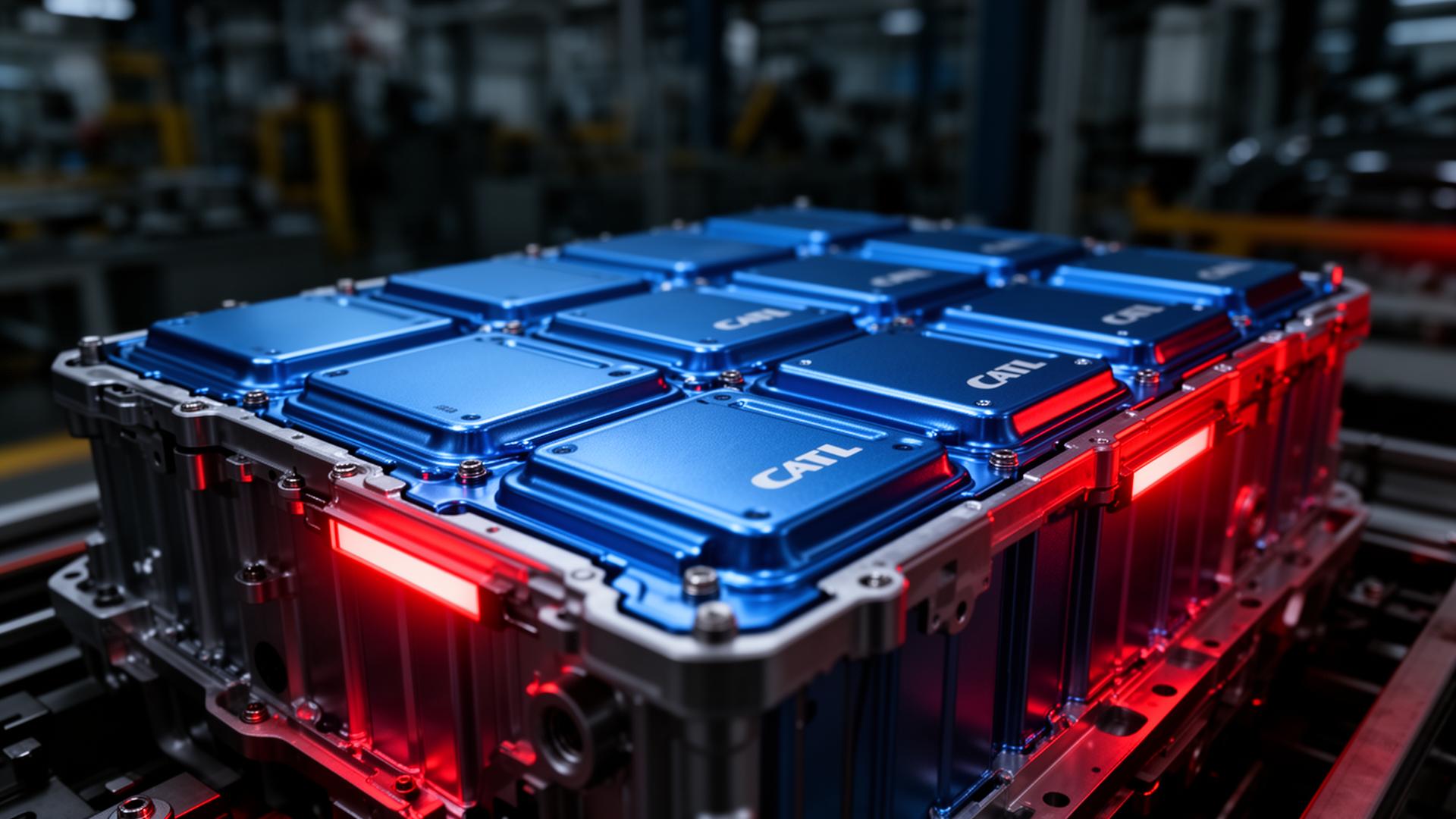
Battery longevity is the single biggest source of buyer anxiety with Chinese EVs — and it is almost entirely outdated. The data from 2018–2025 fleet telematics shows LFP packs are outliving the vehicles they power. Here is what cycle life, calendar age and warranty actually mean in practice.
Cycle life: what the lab numbers mean
A 'cycle' is one full 0–100% charge-discharge. LFP cells from CATL and BYD are now rated for 3,000 to 6,000 cycles to 80% state-of-health (SoH) under standard test conditions.
At a real-world consumption of ~15 kWh / 100 km and a typical 60 kWh pack, 3,000 cycles = 1,200,000 km. Even with aggressive depth-of-discharge and DC fast-charging, 800,000 km of battery life is reasonable.
Calendar ageing — the other clock
Lithium cells age even when parked. Heat is the dominant factor: a pack consistently kept above 40 °C will lose capacity 3–4× faster than one kept around 20 °C. This is why active thermal management matters — and why every serious Chinese EV ships with liquid-cooled packs.
Realistic expectation for a Chinese-built LFP pack stored and driven in a temperate climate: ~12–15% capacity loss over 10 years.
Standard battery warranties from major Chinese brands
Most major Chinese OEMs match or beat the Western 8/160 standard. A few examples currently in market:
- BYD — 8 years / 160,000 km on the drive battery, lifetime on Blade cells in selected markets.
- NIO — 8 years / 160,000 km, or lifetime for BaaS subscription customers (battery is leased).
- Xpeng — 8 years / 160,000 km, with a separate first-owner lifetime option on flagship models.
- Zeekr — 8 years / 200,000 km on battery and motor.
- Li Auto — 8 years / 160,000 km on EREV battery and full powertrain.
What voids the warranty?
The most common warranty-voiding actions in 2024–25 field reports were: third-party software flashing, unauthorised charger hardware splicing, water submersion above the pack waterline, and structural modifications affecting pack mounting.
Second-life and replacement economics
By 2026, replacement LFP packs from CATL and BYD have fallen below USD 75/kWh wholesale. A full 60 kWh replacement at retail typically lands at USD 6,500–8,500 installed in China; expect 1.4–1.8× that figure in Europe due to logistics and labour.
Second-life packs (downstreamed to stationary storage) are now a real value-recovery channel — expect 25–40% residual value on a pack at 70% SoH.
- 01LFP cycle life means most packs will outlast the chassis.
- 02Calendar ageing — i.e. heat — matters more than cycles for daily-driven cars.
- 03Major brands offer 8 yr / 160,000 km as the floor; some go to lifetime.
Sourcing parts or vehicles related to this?
ChinaEV.Autos connects buyers with 2,300+ verified Chinese suppliers. Get matched in minutes.