What is a Chinese EV export certificate of origin and why does it matter?
Updated 2026-05-046 min read
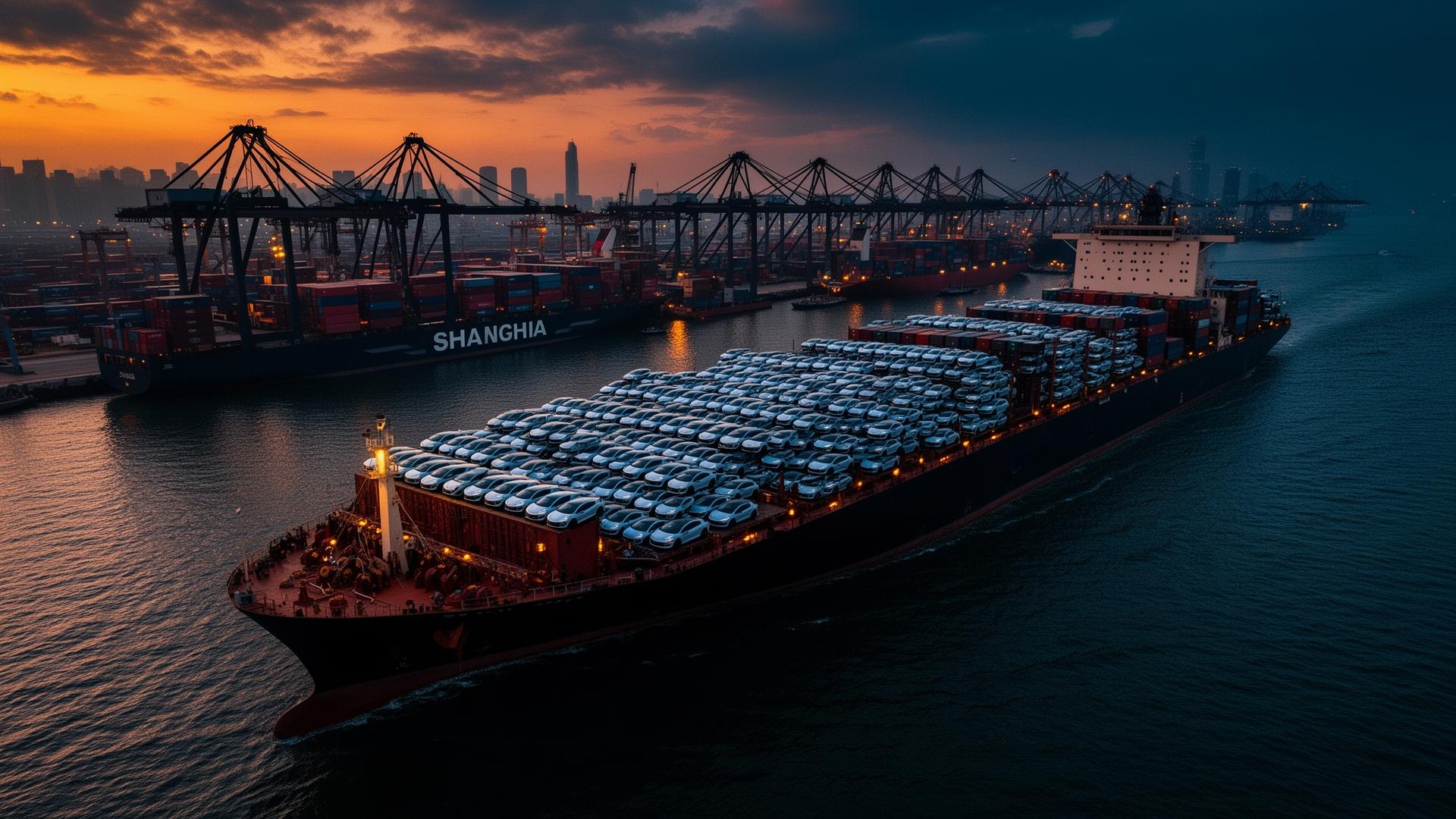
The COO is often the difference between paying full duty and paying zero. Get it wrong and shipping delays add weeks. Here's what you need.
01
Which form for which destination
- Form E — ASEAN countries (Thailand, Vietnam, Indonesia, Malaysia, Philippines, Singapore) via ACFTA — 0% duty on qualifying vehicles
- Form F — Chile via CCFTA — 0% duty
- Form S — Switzerland via bilateral FTA — reduced duty
- Form R — Pakistan via CPFTA
- Form P — Peru via CPFTA
- Form K — Korea via CKFTA (limited EV coverage)
- General COO (non-preferential) — EU, UK, GCC, LatAm — proves origin but no duty relief
02
Who issues it
CCPIT (China Council for the Promotion of International Trade) or Customs (for FTA forms). Application by the exporter with commercial invoice, packing list and manufacturer declaration.
Typical issuance time: 2 working days. Cost: ~USD 30 per certificate.
03
Common failure modes
Wrong HS code on invoice → COO rejected at destination customs. Correct HS for BEV passenger cars is 8703.80.10.
Manufacturer name mismatch between invoice and COO → destination customs demands re-issuance, ship holds container.
Key takeaways
- 01Match the COO form to the destination FTA.
- 02HS 8703.80.10 is the standard EV passenger code.
- 03Bad paperwork = delayed container = demurrage fees.
Sourcing parts or vehicles related to this?
ChinaEV.Autos connects buyers with 2,300+ verified Chinese suppliers. Get matched in minutes.
Related answers
Keep reading
Buying & Export