What is GB 38031-2025 and does it apply to imported Chinese EVs?
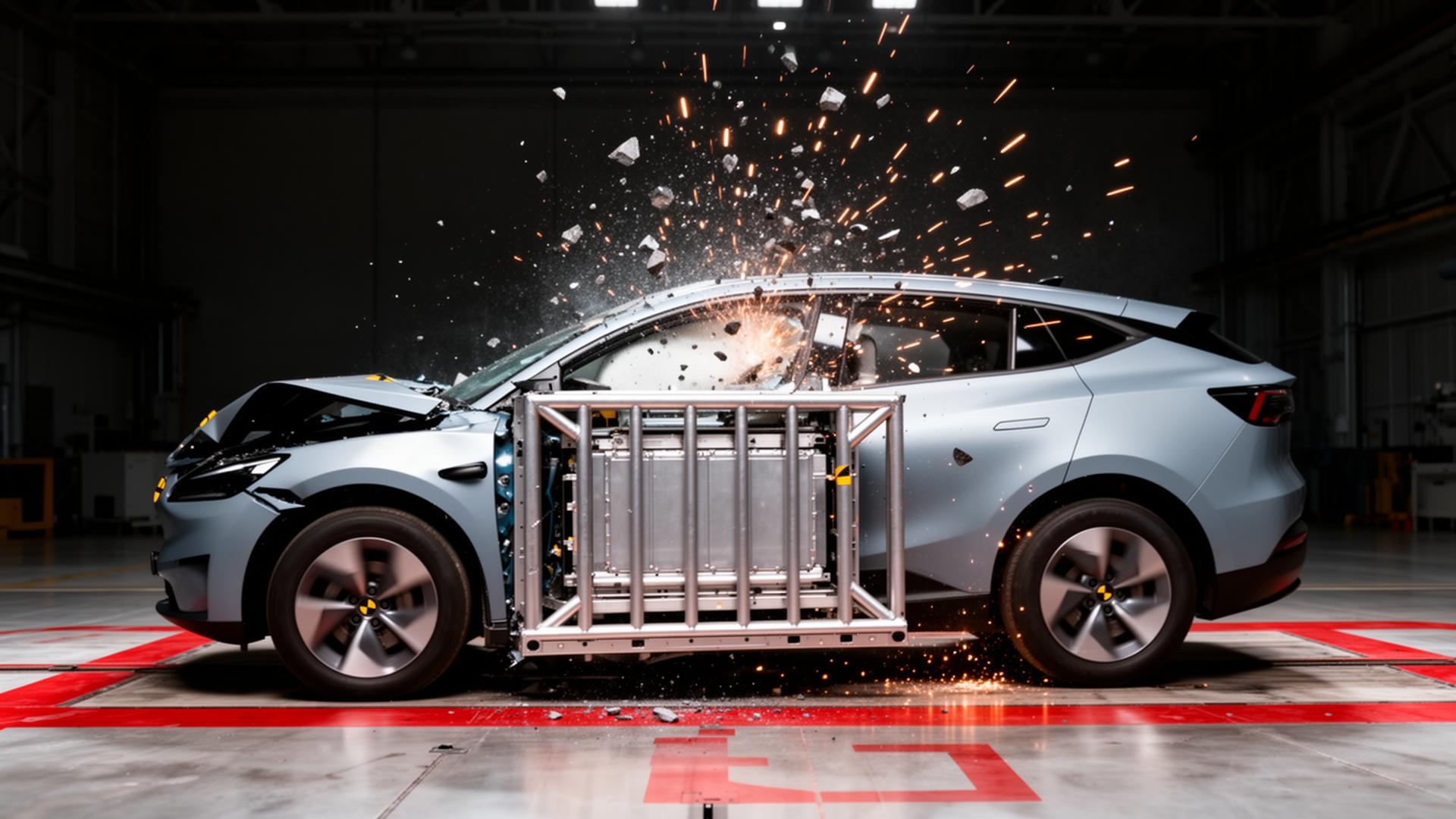
GB 38031-2025 is the world's toughest EV battery safety standard on paper. Here's what it demands and what it means for buyers.
What the standard requires
Deliberate thermal-runaway induced in one cell must not spread to adjacent cells within 24 hours. Prior version (GB 38031-2020) only required 5-minute pre-warning.
Also mandates: crush resistance, seawater immersion for 2 hours, mechanical vibration test scaled up, and updated venting/isolator requirements.
Effect on car buyers
Any BEV or PHEV built after 1 July 2026 for the Chinese market must comply. Export models built in the same plants inherit the same pack design — buyers overseas get the benefit automatically.
OEMs have been designing to the 2025 standard since 2024. Current 2025-model-year Chinese EVs almost universally meet it.
Comparison to Euro / US standards
UNECE R100 (Europe): requires 5-minute pre-warning, no thermal-runaway requirement. GB 38031-2025 is substantially tougher.
FMVSS 305a (US): similar 5-minute pre-warning; UL 2580 goes further but isn't mandatory. GB 38031-2025 remains the tightest.
- 01Toughest battery safety standard in force.
- 02Applies to all China-built packs from mid-2026.
- 03Export markets benefit as OEMs unify design.
Sourcing parts or vehicles related to this?
ChinaEV.Autos connects buyers with 2,300+ verified Chinese suppliers. Get matched in minutes.