BYD Seal vs Tesla Model 3: which is better in 2026?
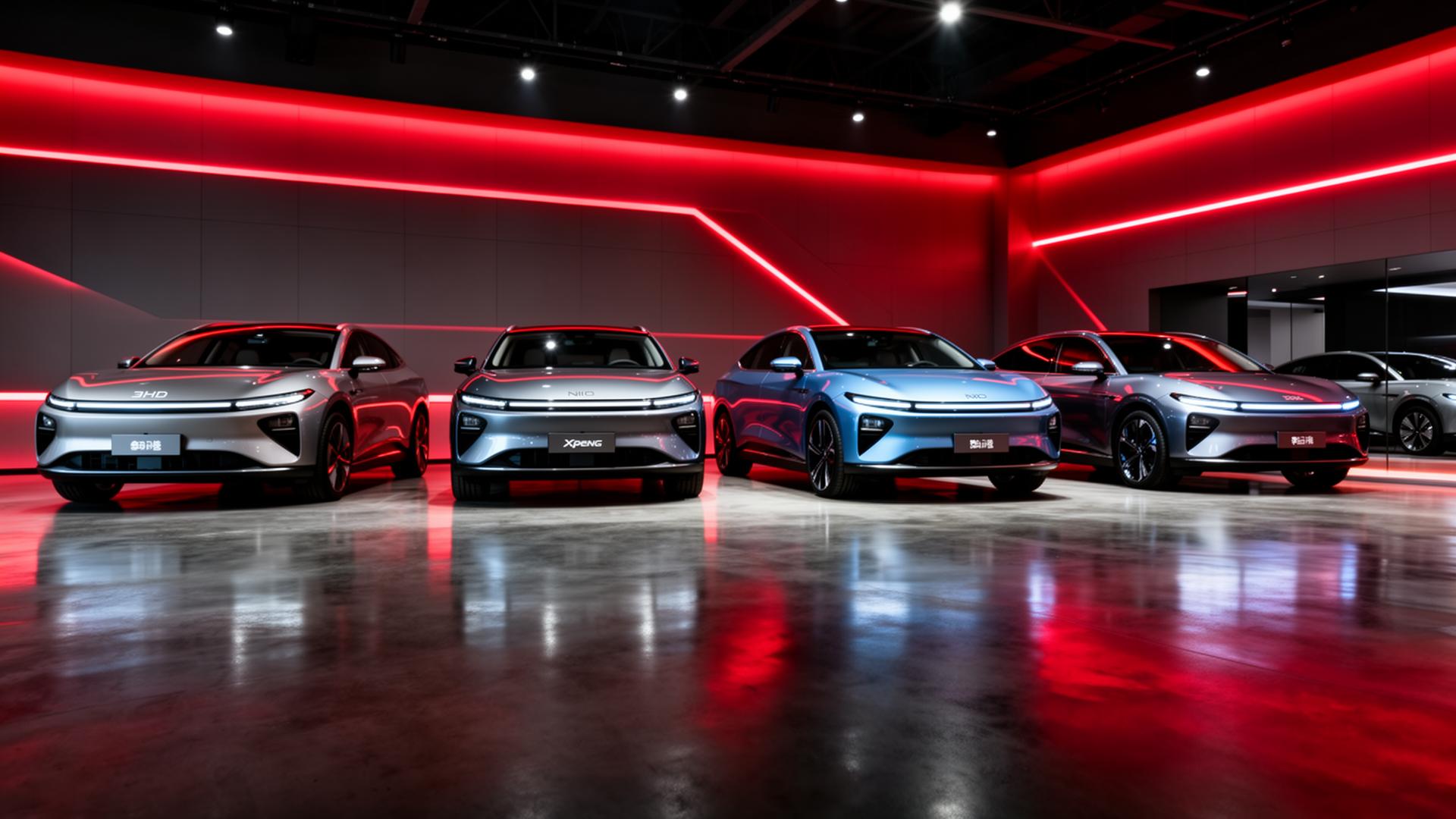
Both are 400V rear- or dual-motor D-segment sedans on ~82 kWh battery packs. On paper they look similar. In use they feel very different.
Powertrain and range
Seal RWD: 82 kWh Blade LFP, 570 km WLTP, 230 kW. Seal AWD: 82 kWh + 390 kW, 520 km, 3.8s 0–100.
Model 3 Long Range RWD: 79 kWh NCM, 702 km WLTP, 217 kW. Performance: 460 kW, 3.1s 0–100.
Tesla wins on WLTP range and 0–100. BYD wins on cell chemistry safety and cold-weather cycle life.
Charging in practice
Model 3 peaks at 250 kW on V3/V4 Superchargers; 10–80% in ~24 min. Seal peaks at 150 kW; 10–80% in ~37 min. If you road-trip weekly this gap matters.
Supercharger access is universal for Model 3 owners in Europe. Seal owners get Ionity, Fastned, Allego — extensive, but sometimes more expensive per kWh.
Interior, ride and price
Seal interior is materially plusher: soft-touch dash, real stitching, physical controls for climate. Model 3 refresh (Highland) went the opposite way — everything into the screen.
Seal AWD undercuts Model 3 Performance by ~€6,000 in most EU markets. Seal RWD lands ~€4,000 below Model 3 RWD.
- 01Seal = better ride and interior, LFP safety, lower price.
- 02Model 3 = faster charging, longer range, superior software.
- 03Charging network access is the decisive factor for many.
Sourcing parts or vehicles related to this?
ChinaEV.Autos connects buyers with 2,300+ verified Chinese suppliers. Get matched in minutes.