What are Chinese EV motors like — brand comparison of drive-unit tech?
Updated 2026-05-046 min read
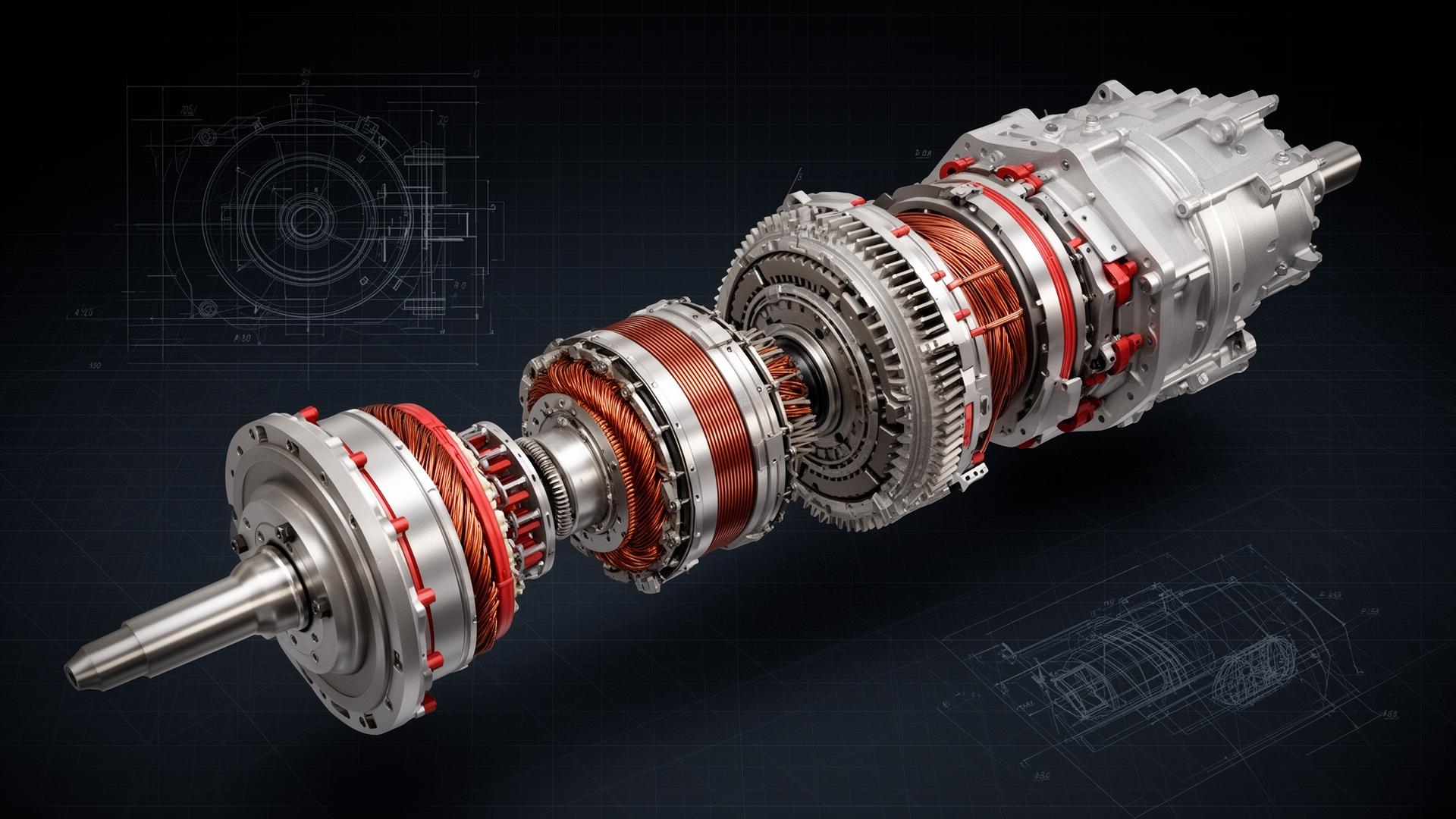
Motor technology is where quiet arms races happen. Here's what each major Chinese OEM builds.
01
The big four vs the specialists
- BYD — 8-in-1 integrated PMSM (150–390 kW), in-house SiC power electronics on flagships
- Xpeng — X-Power 800V PMSM, in-house X-EEA electrical architecture
- NIO — 240 kW PMSM (rear), 300 kW induction (front) — hybrid AWD
- Zeekr — Geely-shared 800V PMSM up to 580 kW (001 FR quad motor)
- Xiaomi — HyperEngine V6 (275 kW), V6s (299 kW), V8s (425 kW @ 27,200 rpm) — Ultra spec
- Aito/Avatr — Huawei DriveOne 800V PMSM 250–330 kW
- Li Auto — in-house 152 kW motors for L-series EREV
02
SiC vs Si inverters
Silicon Carbide (SiC) inverters cost ~30% more but improve powertrain efficiency 5–8% and enable 800V operation with less thermal derating. All new 800V Chinese EVs use SiC.
03
Why 27,200 rpm matters
Higher rpm = smaller motor for same power. The Xiaomi HyperEngine V8s (425 kW / 1.1 kg per kW) is denser than the Tesla Plaid rear motor.
Key takeaways
- 01PMSM + SiC + 800V is the 2026 flagship recipe.
- 02Xiaomi HyperEngine leads on rpm and density.
- 03NIO is unusual in still using induction front motors.
Sourcing parts or vehicles related to this?
ChinaEV.Autos connects buyers with 2,300+ verified Chinese suppliers. Get matched in minutes.
Related answers