What is a sodium-ion (Na-ion) EV battery and when will they be sold?
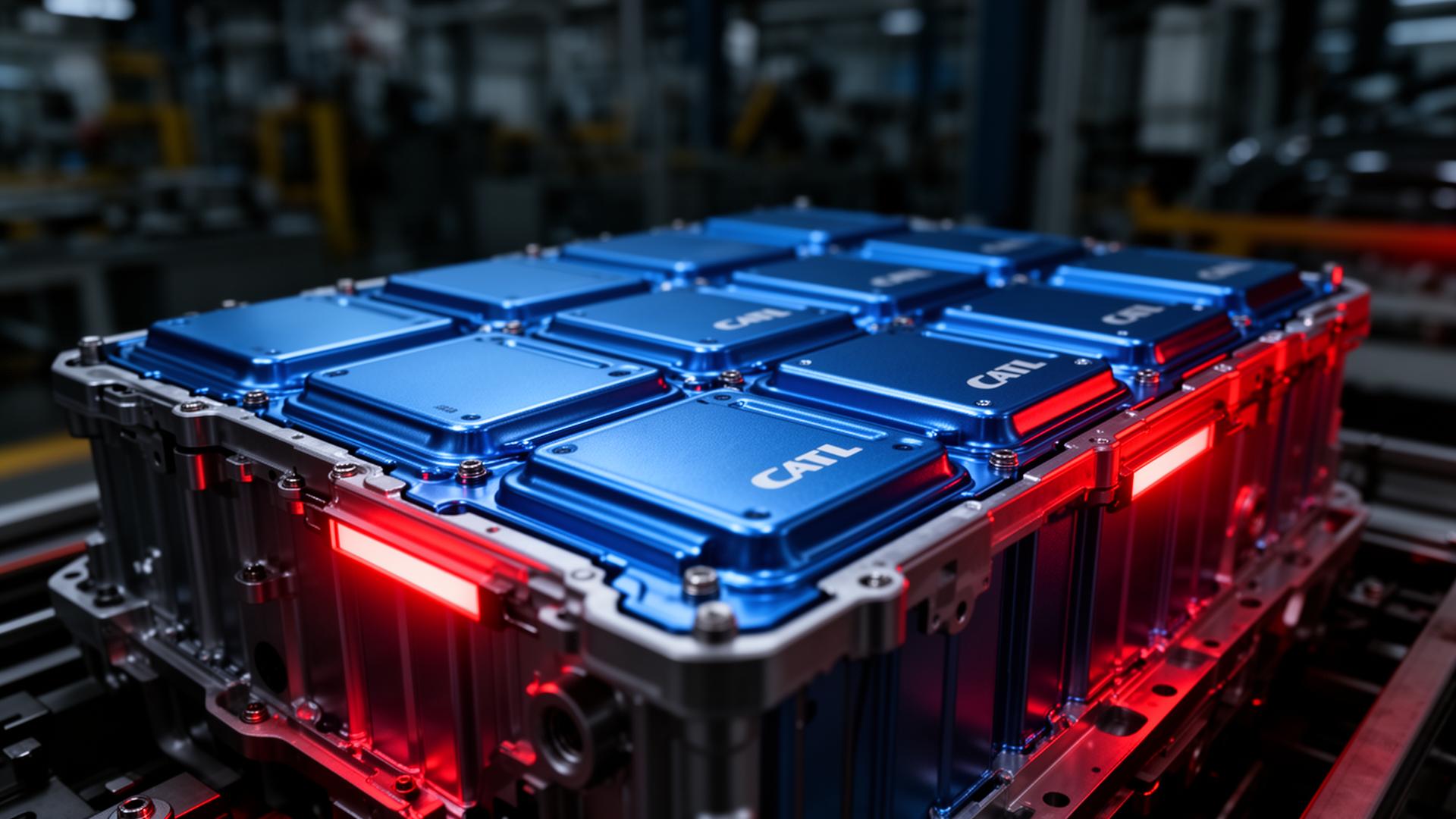
Sodium-ion is the most talked-about post-lithium chemistry. Here's the honest state of play in 2026.
The advantages
Sodium is 300× more abundant than lithium — cell material cost is 20–30% lower at scale.
Cold-weather performance is materially better — sodium cells lose only ~10% capacity at -20 °C vs 25–30% for LFP.
No cobalt, no nickel — supply chain independent of DRC and Russia.
The trade-offs
Energy density: ~130 Wh/kg cell, ~110 Wh/kg pack. That's 15–25% below LFP. A sodium-ion car needs a bigger pack for the same range.
Cycle life: ~3,000 cycles today, improving. LFP is at 4,000–6,000.
Cars on sale (China only, 2026)
JAC Yiwei EV: 25 kWh sodium pack, 230 km CLTC.
Sehol E10X: sodium variant of a compact hatch.
BYD Seagull: sodium-ion base trim tested but not yet mass-market.
CATL first mass-market sodium cars via Chery and Wuling expected in 2026.
- 01Sodium wins on cost and cold weather; loses on density.
- 02First production cars are city runabouts, not long-range.
- 03Not yet in Europe — 2027 realistic earliest.
Sourcing parts or vehicles related to this?
ChinaEV.Autos connects buyers with 2,300+ verified Chinese suppliers. Get matched in minutes.