What is the difference between 400V and 800V EV architecture?
Updated 2026-05-186 min read
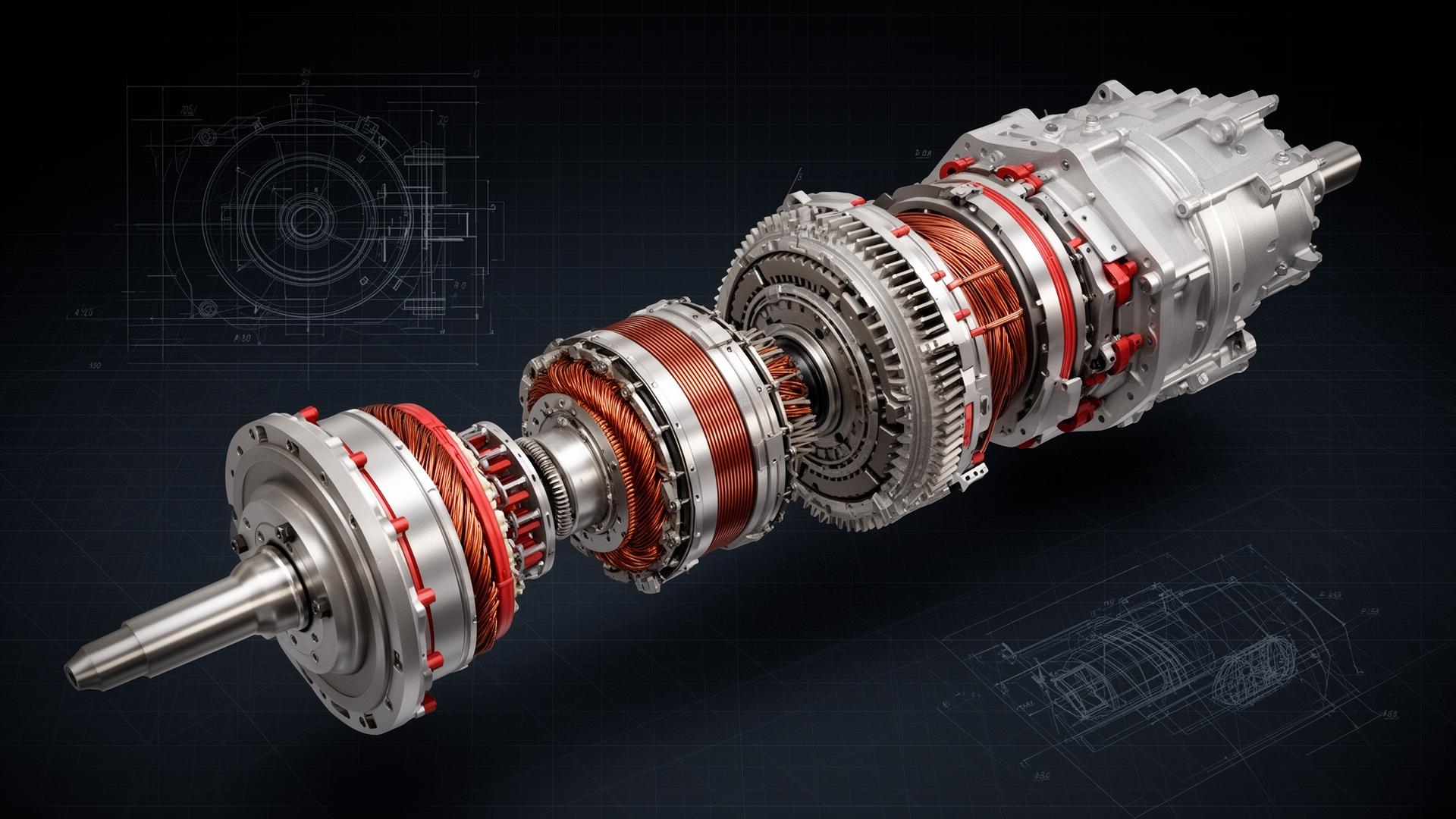
800V is the current battleground for premium EV design. Here's what it actually means in practice.
01
The technical trade-off
Power = Voltage × Current. Doubling voltage halves current for the same power.
Half the current = quarter the resistive heat loss (I²R).
Result: faster charging, lighter cabling, smaller motor windings.
02
Chinese 800V models
Zeekr 001, 007, 7X, 009, X (all 800V native).
Xpeng G6, G9, P7+, X9 (SEPA 2.0).
Aito M9 (Huawei DriveOne 800V).
Xiaomi SU7, YU7 (Hyper Engine 871V).
Avatr 11, 12.
03
Real-world charging comparison
BYD Seal (400V, 150 kW peak): 10–80% in 37 min.
Xpeng G6 (800V, 280 kW peak): 10–80% in 20 min.
Zeekr 7X (800V, 480 kW peak): 10–80% in 12 min.
Key takeaways
- 01800V = faster charging, lighter cables, higher efficiency.
- 02Chinese 800V leaders: Xpeng, Zeekr, Aito, Xiaomi.
- 03Advantage is 15–25 minutes on a road-trip DC stop.
Sourcing parts or vehicles related to this?
ChinaEV.Autos connects buyers with 2,300+ verified Chinese suppliers. Get matched in minutes.
Related answers