What is a Cell-to-Body (CTB) battery pack and which Chinese EVs use it?
Updated 2026-05-186 min read
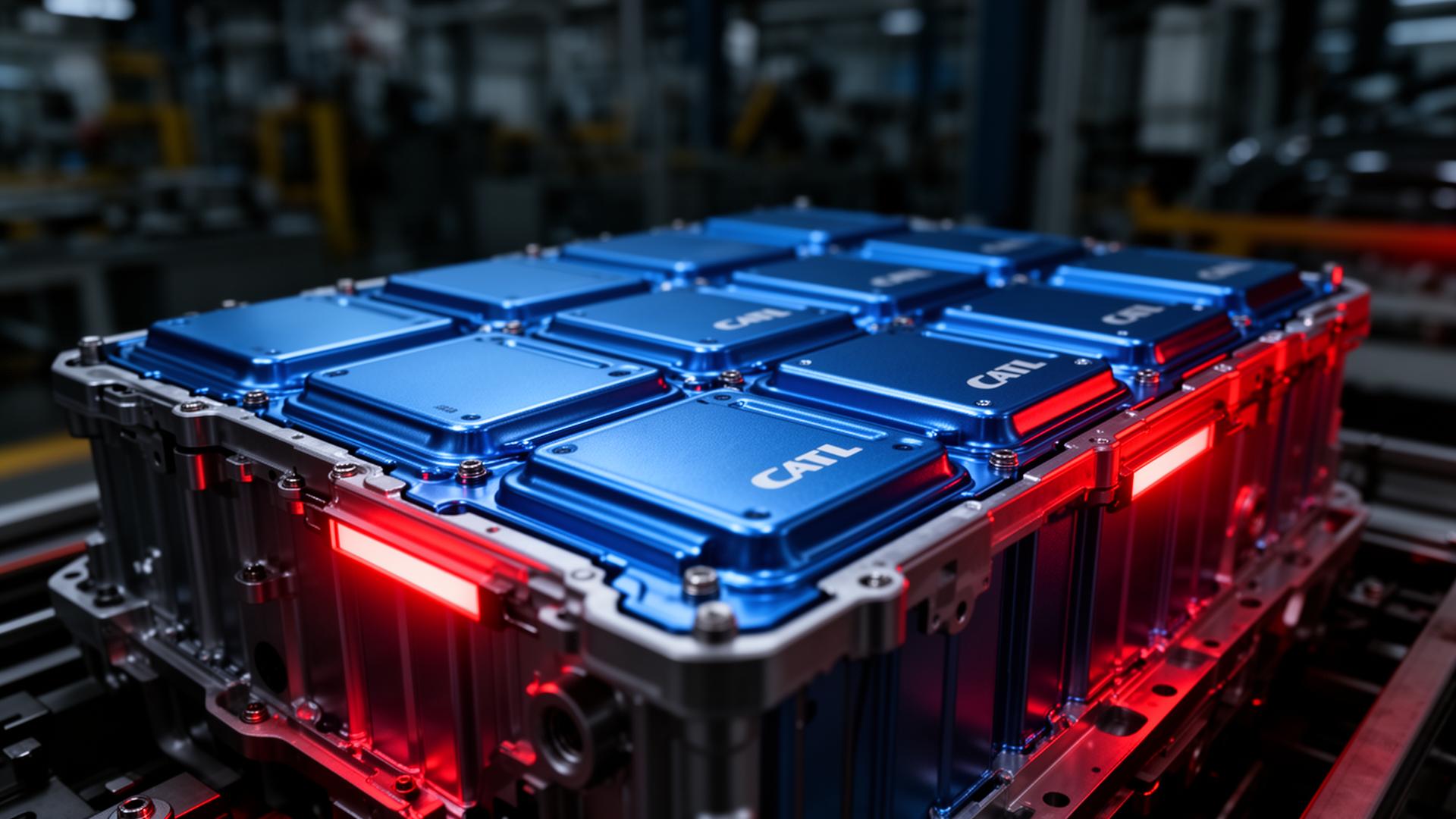
CTB (Cell-to-Body) is the next step after CTP (Cell-to-Pack). Here's why it matters.
01
Evolution
Cell-to-Module (CTM): cells → modules → pack. Old approach, ~40% pack-level energy density.
Cell-to-Pack (CTP): cells → pack directly (no modules). ~55% pack-level density.
Cell-to-Body (CTB): pack IS the floor structure. ~65% vehicle-level density.
02
Real benefits
Weight saving: ~50 kg per pack vs CTM equivalent.
Torsional rigidity increase: 40,500 N·m/deg on BYD Seal (Ferrari-class).
Interior space: floor is thinner because pack IS the floor, not on top of it.
03
Trade-offs
Repair complexity: pack damage can require body replacement.
Insurance cost: slightly higher due to repair complexity.
Key takeaways
- 01CTB integrates pack into vehicle structure.
- 02Used on BYD Seal, Zeekr 001, Xiaomi SU7.
- 03Better rigidity and interior space; repair complexity trade-off.
Sourcing parts or vehicles related to this?
ChinaEV.Autos connects buyers with 2,300+ verified Chinese suppliers. Get matched in minutes.
Related answers
Keep reading
Batteries